The White Dress
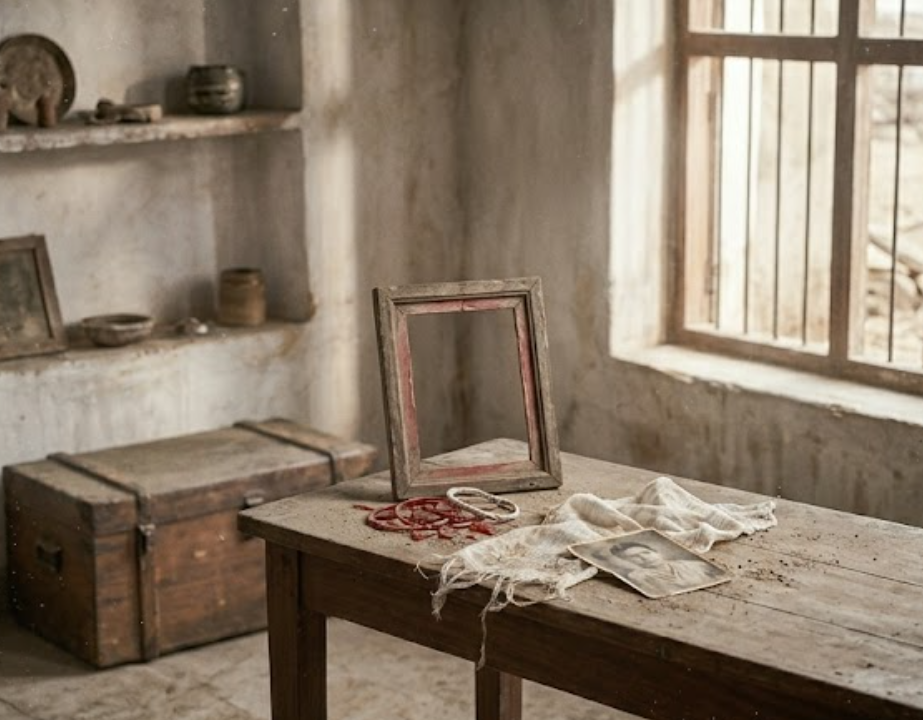
Overview : In Nepal, there is a vibrant, beautiful festival called Teej. It is a celebration entirely for women, where grandmothers, mothers, daughters, and sisters gather to eat, sing, and dance together. Traditionally, it is celebrated to pray for the longevity and health of a husband's life, and the entire festival is a sea of color red, the color of marriage, love, and life. The first paragraph of my poem captures this exact atmosphere. But for a widow, when that life partner is lost, the music stops. In traditional society, losing a husband doesn't just mean losing a companion; it often feels like losing your right to live fully. Overnight, the vibrant red clothing, the glass bangles, and the vermilion powder in your hair are stripped away, replaced by a forced white. A woman is suddenly expected to retreat into the shadows, facing harsh societal judgments if she tries to smile or wear color again. This poem is an exploration of that sudden, painful contrast, the world outside dancing in red, while a woman sits alone in the white of her memories, trying to find a way to keep loving a ghost.
The White Dress
The house and courtyard echo with songs and dance,
Yet her lonely room remains untouched by joy.
No music wanders through her silent walls,
Only the trembling footsteps of memories.
In trembling hands she holds
A dust-covered photograph
The man who once filled her parting with vermilion
Now smiles only from fading paper.
The world called him her husband,
But to her, he was a companion for eternity.
Those eyes that built dreams beside her own,
Those hands that lifted her whenever she fell
To her, he stood just beneath God.
She remembers
How they carried each other through sorrow,
How they promised seven lifetimes together.
Yet in this very lifetime alone,
She was left abandoned by fate.
Her once radiant body
Has withered into fragile silence.
The red that once glowed in the parting of her hair
Has vanished into emptiness,
And the same red she once wore with pride
Now invites the cruelty of society.
The cheeks that once held warmth and light
Now bear only the stains of endless tears.
Her laughter was stolen,
Her life companion was taken away.
The vermilion is gone.
The bangles are gone.
But the bond born of love still remains.
Though he is no longer beside her,
She continues to weep in silence
And still she lives,
Filling her white clothes
With the unseen colors of love.
Translated from Nepali
No comments yet
Sign in to leave a comment.