Tactical War: How 433 destroyed classic 442 diamond
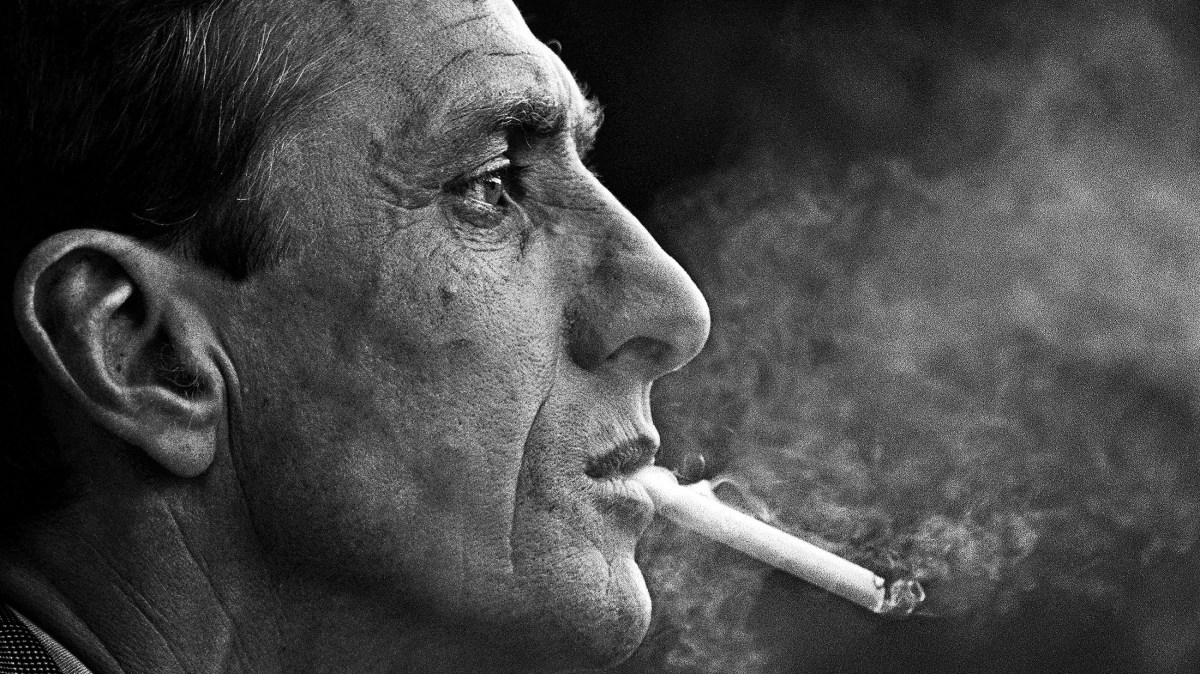
The 4-3-3 formation is a modern, attack-oriented system that was refined by football legend Johan Cruyff in the late 1980s and early 1990s during his tenure at FC Barcelona. This tactical setup has since been embraced by contemporary managerial greats like Pep Guardiola, Jürgen Klopp, and even José Mourinho during his early years at Chelsea. At its core, the 4-3-3 is designed to create an attacking mindset with three forwards, three midfielders—one of whom plays a defensive role—and four defenders, two of whom act as attacking full-backs. The system thrives on fluidity, positional play, and numerical superiority in midfield, enabling teams to control possession and dictate the tempo of the game. In its most common variation, the defensive midfielder shields the backline, while the other two midfielders focus on ball progression and creativity. The full-backs push high, overlapping with the wingers to stretch the opposition defense and create width in attack. One of the most famous implementations of the 4-3-3 was Barcelona’s 2008-09 squad, which won the historic sextuple under Pep Guardiola. In the 2009 UEFA Champions League final, Barcelona deployed a front three of Samuel Eto'o as the central striker, Lionel Messi on the right wing, and Thierry Henry on the left. With two dynamic dribblers flanking a lethal finisher, they dismantled Manchester United 2-0. Similarly, in midfield, Sergio Busquets provided defensive cover, Xavi dictated play with his exceptional passing and vision, and Andrés Iniesta created opportunities through his dribbling and creativity. This balance made Barcelona an unstoppable force. A similar example of a successful back-four system in the 4-3-3 setup was José Mourinho’s Chelsea in 2004-05. His defensive structure relied on John Terry and Ricardo Carvalho as the center-backs, while Claude Makélélé played a crucial role as the defensive midfielder, shielding the backline. Frank Lampard operated as the attacking midfielder, creating chances and scoring goals, while Michael Essien contributed with box-to-box energy. This combination helped Chelsea win the Premier League title with 91 points, conceding only 15 goals—a record for the fewest goals conceded in a Premier League season.
The 4-4-2 is a classic formation that was widely used in English football, particularly in the 1990s and early 2000s. With four defenders, four midfielders, and two strikers, this system provides defensive stability while maintaining a strong attacking presence. Unlike the 4-3-3, which emphasizes fluidity and positional play, the 4-4-2 is a more rigid structure that relies on disciplined defending and quick transitions. Although its popularity has declined in modern football due to the dominance of midfield-heavy formations like the 4-3-3 and 4-2-3-1, some managers have successfully adapted it to modern tactics. Diego Simeone’s Atlético Madrid is a prime example, as he guided them to two Champions League finals (2014 and 2016) and won the 2020-21 La Liga title using a disciplined variation of 4-4-2. His system relied on a compact defensive shape, quick counterattacks, and relentless pressing, making Atlético one of the most difficult teams to break down. Similarly, Brendan Rodgers experimented with a 4-4-2 setup during his tenure at Liverpool, utilizing two strikers to exploit defensive gaps. However, one of the main weaknesses of the 4-4-2 is its vulnerability against formations that dominate possession in midfield, such as the 4-3-3. With only two central midfielders, teams playing 4-4-2 can struggle to maintain control against opponents who overload the midfield with three players.
The 4-3-3 offers a distinct advantage in midfield due to the extra central player. This additional presence allows teams to form better passing triangles, maintain possession, and control the game’s tempo. On the other hand, the 4-4-2 often requires one of its strikers to drop deep to help in midfield, which can limit attacking options.The wide positioning of the wingers in a 4-3-3 creates more attacking options by stretching the pitch. This forces the opposition defense to spread out, opening up central spaces for midfielders and forwards to exploit. In contrast, the 4-4-2 relies more on quick transitions and direct attacking play, often using long balls to bypass the midfield.The 4-3-3 formation is well suited for a high-pressing style, as the three forwards and midfielders can quickly close down opponents and force turnovers. This is a strategy that has been effectively utilized by Jürgen Klopp’s Liverpool, where pressing high up the pitch has been a key part of their success. The 4-4-2, while capable of pressing, often requires more defensive discipline and a well-drilled unit to be effective.Although the 4-3-3 is an attack-oriented formation, its defensive strength lies in the ability of the wingers to drop back and support the full-backs when out of possession. This allows teams to transition into a 4-5-1 shape defensively, providing extra cover in midfield. Meanwhile, the 4-4-2 maintains a natural defensive solidity due to its two banks of four, making it difficult to break down when well-organized. Both formations have their strengths and weaknesses, and their effectiveness largely depends on the players available and the tactical philosophy of the manager. The 4-3-3 has become the dominant formation in modern football, favored for its fluidity, numerical superiority in midfield, and ability to control possession. However, the 4-4-2 remains a viable option for teams prioritizing defensive structure and quick counterattacks, as demonstrated by Diego Simeone’s Atlético Madrid. Ultimately, football tactics continue to evolve, with hybrid formations and dynamic adjustments becoming more common. Managers today often blend principles from both formations, ensuring that their teams can adapt to different challenges throughout a match. Whether it’s the attacking brilliance of the 4-3-3 or the defensive solidity of the 4-4-2, both systems have left an indelible mark on football history.
No comments yet
Sign in to leave a comment.