Is Software Development Dying ?
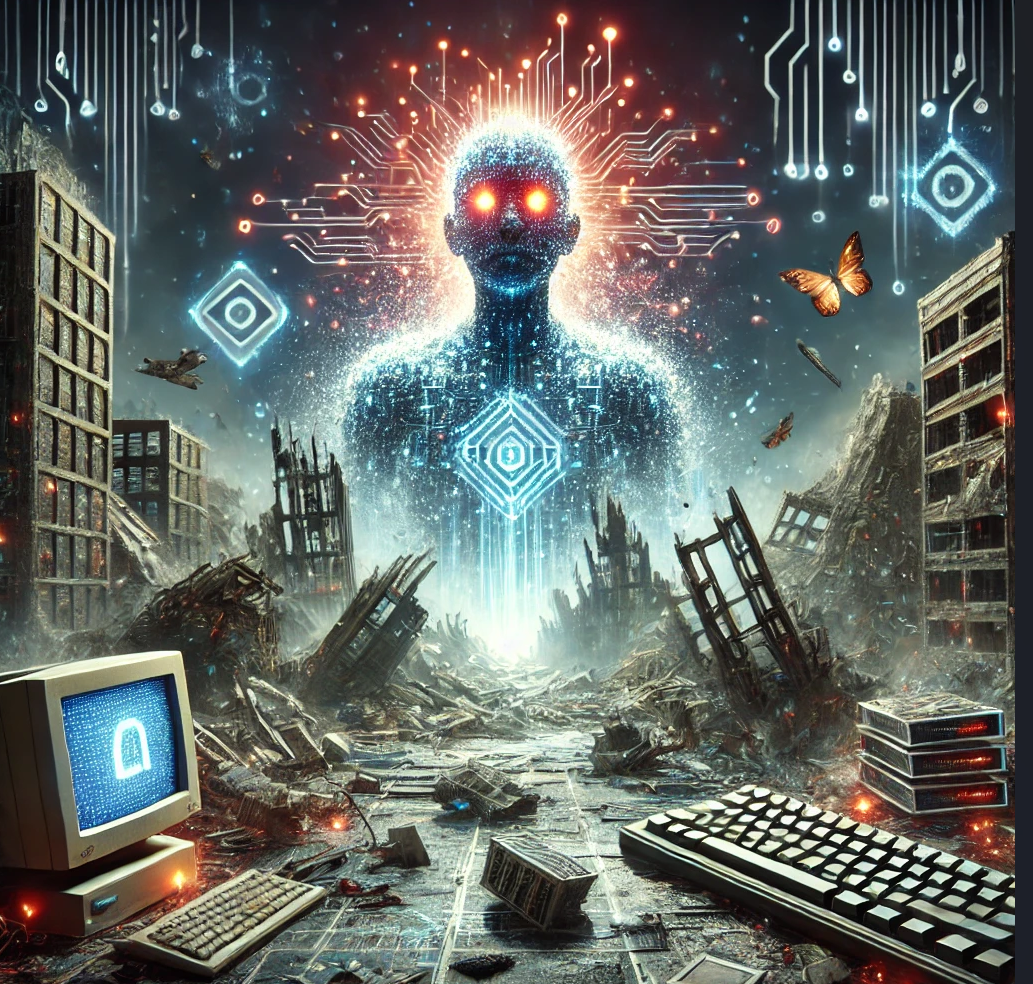
Is Software Development Dead? I still remember the days when there was a sensation called Devin AI, an independent Artificial Intelligence tool that was believed to be capable of solving problems like humans and performing better than human beings. Videos about Devin AI spread rapidly across the internet. As a student just beginning my journey in computer science, it made students like me question whether the classes we took were even worth it. It wasn’t just me; I noticed a domino effect among my friends too. I recall one incident during my role as Student Developer in the IRC for creating an E-Article. After a group meeting, I told Dr. Minh about Devin AI, explaining that it could work like a human and that our jobs might soon become obsolete. With surprise on his face, he asked, “Is that right?” My colleague and I, unfortunately, said “yes” and shared the viral video link of Devin AI. There were widespread rumors about the end of junior developer roles. Companies were rumored to be shifting their focus toward senior developers who would merely oversee AI-generated code. The job market seemed to support this fear, being overly saturated with developers and most decent roles requiring 3-5 years of experience.I was particularly intimidated by the rapid growth of ChatGPT, which could write and debug code faster and more accurately than I could. Around that time, I spoke with my brother-in-law, a software developer in Japan. He advised me that web development would slowly decline and suggested that focusing on Artificial Intelligence and machine learning would be a smarter career move. However, my academic background was balanced between Information Technology and Data Science, and I was not naturally inclined toward data science. I had never used Python before and was unsure about the direction of my career. To diversify my resume, I enrolled in a networking and cybersecurity class. However, I found the OSI model and the theoretical aspects of networking uninteresting—at least in the beginning. My interest only peaked when the cybersecurity portion of the class covered cyber-attacks, but by then, the class was almost over. Meanwhile, I thoroughly enjoyed building my CMPS 375 project. Although it was a hardware project, I added a software component by using Flask to develop a web app and SQLite to store feeding times for a cat. Despite my uncertainty about the future of software development, I genuinely enjoyed working on projects. This passion was reignited when Devin AI was exposed as being overhyped and not as capable as it was portrayed. Around that time, I interviewed senior developers at a local company and asked how AI was affecting their work. One developer mentioned using GitHub Copilot to assist in coding, while another preferred reading documentation over using AI tools, relying on his experience to navigate challenges. I also spoke with developers I play soccer with and some mentors. They described AI as a helpful tool—an advanced version of Google Search—that improved productivity and learning but wasn’t a threat to their jobs. This perspective helped me see AI as a supportive resource rather than a replacement. During my internship with DXC Technology, I worked with a software development team implementing ServiceNow solutions for clients. I saw firsthand how enterprise-level software development involves many people, even for minor features. Human roles remain crucial for communication among team members, developers, and clients. Additionally, I spoke with Dr. Alkadi, who has taught software development for years. He believes that while AI will replace routine and repetitive tasks, the core of software development will endure. Inspired by this, I have been diversifying my resume with courses in software development, data science, and information technology. This fall, I took CMPS 431, which covered the history of computing and operating systems. I learned how programmers once had to manually load programs and calculate memory addresses—a challenge later solved by compilers. The invention of the compiler didn’t eliminate programming jobs; it boosted productivity and allowed programmers to focus on more complex problems. Similarly, I believe software development is evolving rather than dying. I am still trying to understand how software development will change in the next 1-2 years as I prepare to graduate. Gaining work experience will offer me more insight. For now, I believe software development is in an evolving phase, adapting to new technologies and challenges. In conclusion, software development is far from dead. It is transitioning, with AI automating repetitive tasks and enhancing productivity. However, human creativity, problem-solving, and communication remain irreplaceable. By embracing continuous learning and adapting to technological advancements, developers can carve out meaningful and secure careers in this dynamic field.
No comments yet
Sign in to leave a comment.